

Soil pH Preferences for Common Plants and Healthier Gardens
Soil pH preferences for common plants plays a major role in plant health because it affects how well roots absorb essential nutrients. Even healthy soil can limit growth if the pH does not match the needs of the plants growing in it.
Understanding soil pH preferences for common plants helps gardeners choose the right plants and make better soil improvements. With simple testing and small adjustments, it becomes easier to support stronger growth, better blooms, and a healthier garden overall.
Understanding Soil pH preferences for common plants and Its Impact on Plants
What Is Soil pH?
Soil pH measures the acidity or alkalinity of the soil on a scale from 0 to 14.
- Below 7.0: Acidic soil
- 7.0: Neutral
- Above 7.0: Alkaline
Each plant species has an optimal pH range that supports root development and nutrient uptake.
How Soil pH Affects Nutrient Availability
At different pH levels, nutrients become more or less available to plants:
- Acidic soils promote iron and manganese absorption.
- Alkaline soils provide calcium and magnesium.
- Extreme pH levels can lock up nutrients, causing yellow leaves or stunted growth.
Testing Your Soil pH
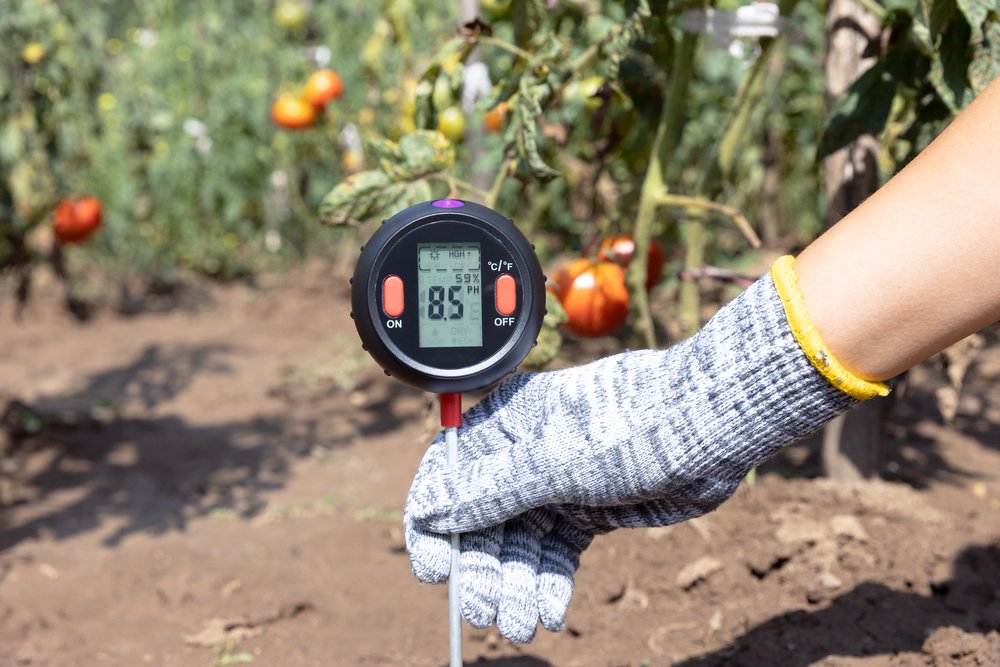
Use a soil pH test kit or send samples to a local agricultural extension service. Testing helps you decide whether to amend your soil to better match your plant selection.
Acid-Loving Plants (Soil pH at or Below 5.5)
Common Acid-Loving Plants
These plants thrive in acidic soils and often struggle in alkaline conditions.
| Plant Name | Type | Ideal pH Range |
| Azalea | Shrub | 4.5–5.5 |
| Blueberry | Fruit | 4.0–5.5 |
| American Holly | Evergreen | 4.5–6.0 |
| Partridgeberry | Groundcover | 4.0–5.5 |
| Ixora | Flowering Shrub | 4.5–6.0 |
| Blue Hydrangea | Flowering Shrub | 4.5–5.0 |
| Phlox | Perennial | 5.0–6.0 |
| Centipedegrass | Turfgrass | 4.5–6.0 |
| Dogwood | Tree | 5.0–6.0 |
| Sweetgum | Tree | 5.0–6.0 |
| Bald Cypress | Tree | 4.5–6.0 |
How to Maintain Acidic Soil Conditions
- Incorporate pine needles, peat moss, or sulfur into your soil.
- Avoid over-liming your garden.
- Use acidic fertilizers formulated for azaleas or blueberries.
Pro Tip: Rainwater is naturally acidic—collect it for watering acid-loving plants.
Plants Tolerant of a Wide Range of Soil pH
Versatile Plants for Any Garden
These plants are adaptable and perform well in soils ranging from slightly acidic to slightly alkaline (5.5–7.5).
| Plant Name | Type | Soil pH Range |
| Bamboo | Grass | 5.5–7.5 |
| Bermudagrass | Turfgrass | 5.5–7.5 |
| Cherry Laurel | Shrub | 5.5–7.0 |
| Crape Myrtle | Flowering Tree | 5.0–7.5 |
| Croton | Ornamental | 5.5–7.5 |
| Oleander | Evergreen Shrub | 5.5–8.0 |
| Palms | Tropical Plant | 5.5–7.5 |
| Zoysia | Turfgrass | 5.5–7.5 |
| St. Augustinegrass | Turfgrass | 5.0–7.5 |
Best Practices for pH Management
- Maintain a balanced fertilization routine.
- Test soil annually to ensure stability.
- Add organic matter to buffer pH fluctuations.
🌿 Tip: Compost and mulch naturally help maintain moderate pH levels.
Plants Preferring Soil pH Above 6.0
Common Alkaline and Neutral Soil Lovers
These plants prefer neutral to slightly alkaline soils and may suffer in acidic environments.
| Plant Name | Type | Ideal pH Range |
| Ash | Tree | 6.0–7.5 |
| Elm | Tree | 6.0–7.5 |
| Pink Hydrangea | Shrub | 6.0–7.5 |
| Red Cedar | Evergreen | 6.0–8.0 |
| Sycamore | Tree | 6.0–7.5 |
| Sugarberry | Tree | 6.0–7.5 |
| Hophornbeam | Tree | 6.0–7.5 |
| Yucca | Perennial | 6.0–8.0 |
Tips for Adjusting Alkaline Soil
- Add agricultural lime or wood ash to raise soil pH.
- Use calcium carbonate for long-term adjustment.
- Avoid acid-forming fertilizers like ammonium sulfate.
Did you know? Pink hydrangeas bloom in alkaline soil, while blue hydrangeas thrive in acidic soil—a perfect visual indicator of pH.
How to Adjust Soil pH for Optimal Plant Health
Lowering Soil pH (Making It More Acidic)
- Add elemental sulfur or aluminum sulfate.
- Mix in organic materials such as composted leaves or pine bark.
- Use fertilizers labeled “for acid-loving plants.”
Raising Soil pH (Making It More Alkaline)
- Apply lime, dolomitic limestone, or wood ash.
- Avoid acidic fertilizers or peat moss.
- Always retest soil after a few months to gauge progress.
FAQs About Soil pH and Plant Growth
Q1. How do I know if my soil is too acidic or alkaline?
A soil test kit provides a quick reading of your soil’s pH. Yellowing leaves often indicate improper pH levels.
Q2. How often should I test my soil?
Once a year is ideal, especially before major planting seasons.
Q3. Can I grow acid-loving plants in neutral soil?
Yes, but you’ll need to amend the soil with sulfur or acidic fertilizers.
Q4. What’s the best soil pH for most lawns?
Most grasses thrive between 6.0 and 7.0.
Q5. Does pH affect flower color in hydrangeas?
Absolutely! Blue blooms occur in acidic soils, while pink blooms appear in alkaline soils.
Q6. Where can I learn more about soil testing in Canada?
Visit the Government of Canada Agriculture and Agri-Food Soil Resources for detailed information.
Conclusion: Matching Plants to Soil for a Thriving Garden
Matching your plant selection to your soil’s natural pH is the secret to a healthy, vibrant garden. Whether you’re nurturing acid-loving azaleas, pH-flexible palms, or alkaline-tolerant yucca, knowing your soil pH preferences for common plants helps prevent nutrient deficiencies and promotes long-lasting growth.
A simple soil test can transform your gardening results—start today and watch your plants thrive!
FAQs
How do I know if my soil is too acidic or alkaline?
Soil test kit provides a quick reading of your soil’s pH. Yellowing leaves often indicate improper pH levels.
What’s the best soil pH for most lawns?
Most grasses thrive between 6.0 and 7.0.
Does pH affect flower color in hydrangeas?
Absolutely! Blue blooms occur in acidic soils, while pink blooms appear in alkaline soils.
Where can I learn more about soil testing in Canada?
Visit the Government of Canada Agriculture and Agri-Food Soil Resources for detailed information.