
Mask Fit Testing
Mask Fit Testing Edmonton Services | Advanced Respirator Testing
Mask Fit Testing Edmonton services help ensure respirators provide proper protection for workers in hazardous environments. Proper respirator fit testing is essential for workplaces where employees are exposed to dust, chemicals, or airborne particles. Professional testing helps confirm that safety masks seal correctly and provide effective protection.
Mask fit testing Edmonton programs are widely used in healthcare, construction, and industrial workplaces. Trained technicians perform respirator testing to check mask fit, comfort, and performance. These services help organizations maintain safety standards and protect employee health.
Types of Mask Fit Testing
There are two main fit testing methods used by professional providers. The best choice depends on the respirator type, workplace requirements, and the level of precision needed.
Qualitative Fit Testing
Qualitative fit testing is a pass/fail method based on the wearer’s ability to detect a test agent. Common test agents include saccharin (sweet), Bitrex (bitter), or other approved solutions. If the wearer can taste or smell the agent while performing test movements, the seal is not adequate.
Qualitative testing is widely used for many N95-style respirators. It is practical, efficient, and suitable for many workplaces when performed correctly.
Quantitative Fit Testing
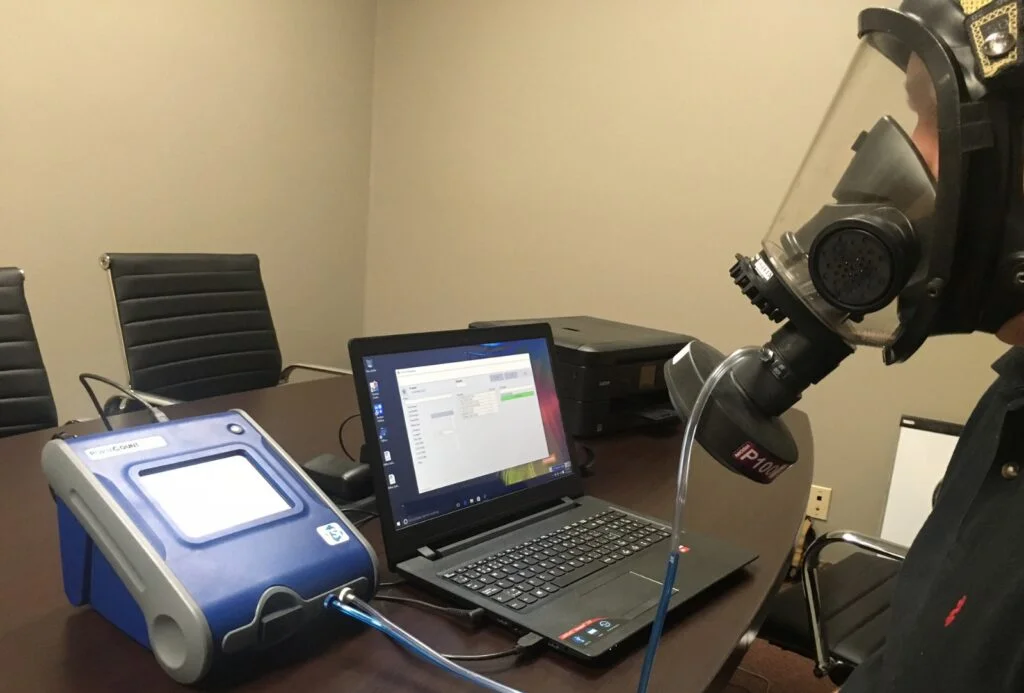
Quantitative fit testing uses a device to measure leakage and calculate a numerical “fit factor.” This provides a more detailed assessment of the respirator seal. Quantitative fit testing is often chosen for higher-risk environments, specialized respirators, or situations where a numeric result is required.
This method can support stronger documentation, especially when job hazards are more complex or when a company wants a higher confidence level in fit performance.
Respirators Commonly Fit Tested
Mask fit testing services in Edmonton may cover several respirator types, including:
N95 and similar filtering facepiece respirators
half-face respirators with replaceable cartridges
full-face respirators used for higher exposure tasks
Fit testing is not typically used for loose-fitting powered air-purifying respirators (PAPRs) with hoods because they do not rely on a tight face seal. If a worker cannot pass fit testing for a tight-fitting mask, alternative protection options may be considered based on the hazard assessment.
What Is Mask Fit Testing?
Mask fit testing checks whether a tight-fitting respirator forms a proper seal on the wearer’s face. It is commonly used for N95 respirators and half-face or full-face respirators that rely on a tight seal. Fit testing is different from a basic “seal check” done by the user each time they wear a respirator. A seal check is important, but fit testing is a formal procedure that confirms fit with a recognized method.
Fit testing also helps determine which brand, model, and size works best for each person. People have different face shapes, and even slight differences can change how a respirator fits. Fit testing ensures the chosen respirator provides reliable protection during real work tasks
Why Edmonton Workplaces Need Fit Testing
Work environments in Alberta can include airborne hazards such as silica dust, welding fumes, chemical vapours, wood dust, and fine particles from cutting or grinding. In some settings, workers may also be exposed to smoke, bioaerosols, or infectious particles. Fit testing supports respiratory protection programs by ensuring equipment works as expected.
Fit testing is especially important when:
workers are exposed to airborne hazards above safe limits
a job requires a tight-fitting respirator for protection
a company is onboarding new staff who need respirators
a worker changes mask model, size, or type
facial changes occur (weight change, dental work, scars)
there are comfort issues that cause improper wearing
What to Expect During a Fit Testing Appointment
A standard fit test usually includes the following steps:
Health and Safety Review
The tester confirms the respirator type needed and checks basic readiness. Workers may be asked about respirator training, any breathing concerns, and whether the mask is appropriate for their job tasks.
Mask Selection and Donning
The worker is shown how to put on the respirator properly, adjust straps, and confirm comfort. The tester may try more than one model or size to find the best option.
Fit Test Exercises
The wearer performs a series of movements such as normal breathing, deep breathing, speaking, moving the head side to side, and bending over. These movements simulate real work conditions and confirm the seal remains stable.
Results and Documentation
The provider records the respirator model, size, method used, and the pass/fail result or fit factor number. Documentation is important for audits and internal safety records.
How to Prepare for Mask Fit Testing
To avoid delays and improve test accuracy, workers should follow a few practical guidelines:
be clean-shaven where the respirator seals (facial hair breaks the seal)
avoid eating, drinking, or smoking right before qualitative testing (taste can be affected)
bring any required respirator models used on the job
wear any eyewear or PPE that may affect the fit (safety glasses, hard hat)
inform the tester if there are comfort issues or breathing concerns
Fit testing works best when it is paired with training, because even a good-fitting mask can fail if it is worn incorrectly.

Fit Testing and Respiratory Protection Programs
Fit testing is one part of a complete respiratory protection program. Workplaces also need hazard assessments, respirator selection, training, maintenance procedures, and ongoing supervision. Fit testing supports compliance by proving each worker has a suitable mask and knows how to wear it properly.
Some companies schedule fit testing annually or when changes occur. If a company changes respirator brands due to supply issues, fit testing becomes especially important because a different model may fit differently even if it looks similar.
Choosing Mask Fit Testing Services in Edmonton, Alberta
When selecting a provider, look for clear procedures, trained staff, and consistent documentation. A good provider will help you choose the right fit testing method and will explain results in simple terms. It also helps when the provider can support onsite testing for groups, which reduces downtime and improves participation.
Ask about turnaround time for documentation, the respirator types supported, and whether the provider can help with basic respirator training. Fit testing should feel organized, professional, and easy for workers to follow.
Conclusion
Mask fit testing services in Edmonton, Alberta help employers protect workers from airborne hazards by confirming respirators seal correctly and perform as expected. With qualitative or quantitative testing, proper mask selection, and clear records, fit testing strengthens workplace safety and reduces exposure risk. When combined with training and a strong respiratory protection program, fit testing supports safer job sites and more confident teams.
FAQs
What is mask fit testing?
Mask fit testing checks whether a respirator forms a proper seal on the wearer’s face for safe and effective protection.
Why is mask fit testing important in Edmonton workplaces?
It helps protect workers from dust, fumes, vapours, and other airborne hazards in healthcare, construction, and industrial settings.
What types of respirators can be fit tested?
Common respirators include N95 masks, half-face respirators, and full-face respirators that require a tight facial seal.
What is the difference between qualitative and quantitative fit testing?
Qualitative testing is a pass/fail method based on taste or smell, while quantitative testing uses equipment to measure leakage and provide a fit score.
How should I prepare for a mask fit testing appointment?
Workers should be clean-shaven where the mask seals, avoid eating or smoking before some tests, and bring any required PPE or respirator models.