

Welding Fumes Exposure Assessment
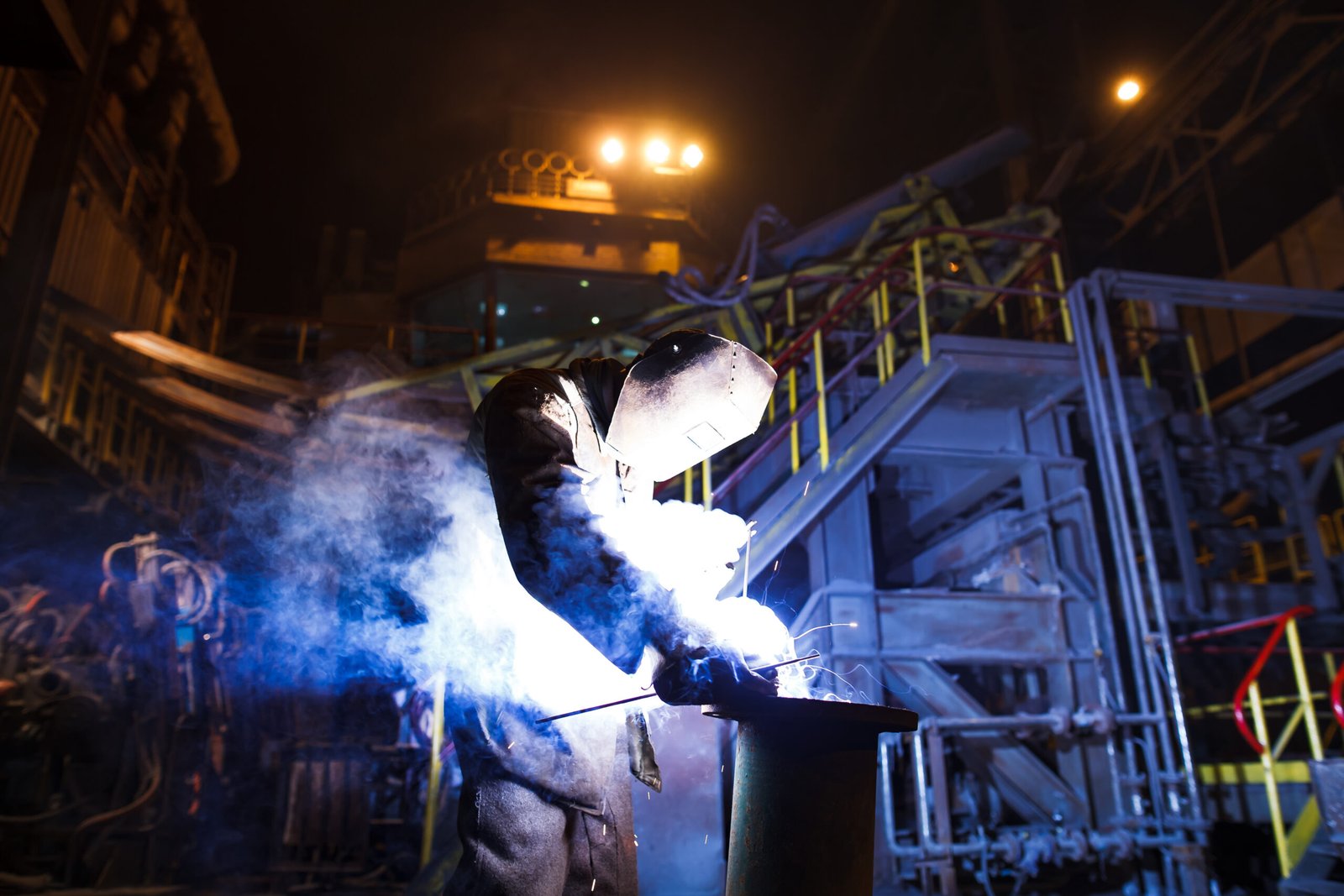
Welding Fumes Exposure Assessment Services by Central Laboratories
Welding activities are essential across many industries, but they also generate airborne contaminants that can pose serious health risks. Central Laboratories in Edmonton provides professional Welding Fumes Exposure Assessment Services to help workplaces measure, analyze, and control harmful emissions, ensuring a safer and compliant working environment.
What Are Welding Fumes?
Welding fumes are a mixture of fine metal particles and gases produced when metals are heated, melted, and joined during welding processes. These fumes can contain a variety of hazardous substances depending on the materials being welded and the welding method used.
Central Laboratories conducts precise air monitoring and laboratory analysis to identify and measure these airborne contaminants in workplace environments.
Why Welding Fumes Testing Is Important
Welding fumes are often invisible and can quickly accumulate in poorly ventilated areas. Without proper monitoring, workers may be exposed to unsafe levels over time.
Key reasons for testing include:
- Protecting worker respiratory health
- Identifying hazardous exposure levels
- Ensuring compliance with occupational safety regulations
- Improving workplace ventilation and safety controls
- Reducing long-term liability for employers
Regular assessment helps ensure a safer and more controlled work environment.
Health Risks of Welding Fumes Exposure
Exposure to welding fumes can lead to both short-term and long-term health issues, especially with prolonged or repeated exposure.
Possible health effects include:
- Eye, nose, and throat irritation
- Headaches and dizziness
- Respiratory problems such as coughing or shortness of breath
- Metal fume fever (flu-like symptoms)
- Long-term lung damage with chronic exposure
Certain metals, such as manganese, chromium, and nickel, may also pose additional serious health risks depending on exposure levels.
Common Sources of Welding Fumes
Welding fumes vary depending on the materials and processes used. Common sources include:
- Steel and stainless steel welding
- Cutting and grinding metals
- Flux-core and arc welding processes
- Soldering and brazing operations
- Industrial fabrication work
Each process can release different types and concentrations of airborne contaminants.
Our Welding Fumes Testing Process
Central Laboratories follows a detailed and scientific approach to exposure assessment:
Workplace Consultation
Understanding welding processes, materials used, and workplace conditions.
Site Inspection
Evaluating ventilation systems, work practices, and potential exposure areas.
Air Sampling
Personal and area air sampling is conducted using calibrated monitoring equipment to capture airborne welding fumes.
Laboratory Analysis
Collected samples are analyzed to identify and measure metal particulates and gases present in the air.
Reporting and Recommendations
Clients receive a detailed report including:
- Exposure levels compared to safety limits
- Identification of hazardous substances
- Risk assessment findings
- Practical control recommendations
Control Measures for Welding Fumes
If elevated exposure levels are detected, Central Laboratories provides guidance on reducing risks, including:
- Improving local exhaust ventilation systems
- Using fume extraction equipment at the source
- Adjusting welding techniques or materials
- Implementing respiratory protection programs
- Improving workspace layout and airflow
These measures help significantly reduce worker exposure.
Who Needs Welding Fumes Testing?
Welding fumes exposure assessment is essential for a wide range of industries in Edmonton, including:
- Metal fabrication workshops
- Construction and structural welding sites
- Automotive repair and manufacturing
- Shipbuilding and heavy industry
- Industrial maintenance facilities
Any workplace involving welding or metal cutting should consider regular air quality assessments.
Signs You May Need Welding Fumes Testing
Testing is recommended if you notice:
- Strong metallic or chemical odors during welding
- Poor ventilation in work areas
- Workers experiencing irritation or respiratory symptoms
- Visible smoke or haze accumulation
- Concerns about regulatory compliance
These signs often indicate elevated exposure risks.
Why Choose Central Laboratories in Edmonton
Central Laboratories is a trusted provider of occupational exposure assessments with a strong focus on safety and accuracy.
Experienced Professionals
- Skilled industrial hygiene specialists
- Knowledge of Alberta occupational safety standards
Advanced Monitoring Equipment
- High-precision air sampling devices
- Reliable exposure measurement systems
Clear and Actionable Reporting
- Easy-to-understand results
- Practical recommendations for workplace improvement
Local Industry Expertise
- Understanding of Edmonton’s industrial and construction sectors
- Customized solutions for local workplaces
Benefits of Professional Welding Fumes Testing
Choosing Central Laboratories provides key advantages:
- Improved worker health and safety
- Compliance with occupational exposure regulations
- Reduced risk of long-term health claims
- Enhanced productivity and workplace comfort
- Better ventilation and process control
Frequently Asked Questions (FAQs)
Are welding fumes always dangerous?
All welding fumes contain some level of risk, but toxicity depends on materials and exposure levels.
How long does testing take?
Sampling is typically completed within a work shift, with lab results available shortly after.
Can ventilation reduce welding fumes?
Yes, proper ventilation significantly reduces exposure but should be combined with monitoring.
What metals are most harmful in welding fumes?
Chromium, nickel, and manganese are among the most concerning depending on exposure levels.
Is respiratory protection enough?
Respirators help, but they should be part of a broader exposure control strategy.
How often should welding fume testing be done?
Regular monitoring is recommended, especially when processes or materials change